Almost every climber knows the feeling: standing on a plateau. Progress stagnates, and the next difficulty level seems out of reach. But with the right combination of planning, targeted exercises, and structure, you too can overcome this obstacle and unlock your full potential! In this article, I’ll introduce a proven 10-week training plan designed specifically to take climbers like you to the next level. Whether it’s more endurance, strength, or technique – here you’ll find the key to your personal breakthrough on the wall.
This article is structured as followed:
Enjoy and share your thoughts in the comments!
Introduction
Structured preparation in sports is especially crucial when dealing with plateaus. Studies show that without targeted changes—such as increasing intensity or introducing variation into your training—no progress can be made. A structured planning approach sets new stimuli and adapts your training strategy to enable performance improvement. Key methods include high-intensity interval sessions, changing training types, and working specifically on weaknesses to break through plateaus.¹
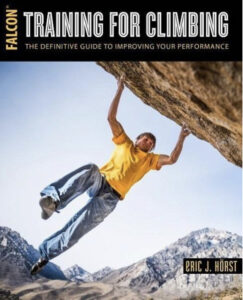
Climbing and bouldering are sports that demand the highest level of both mental and physical strength. To unlock your full potential, a structured training plan is essential. This 10-week program is designed to prepare you optimally for your climbing goals through four clearly defined phases. Through targeted endurance, strength, and strength-endurance phases—plus a final rest phase—you’ll have a strong base to reach your maximum performance in week eleven. The following books are an excellent complement to this program and offer additional perspectives and approaches:
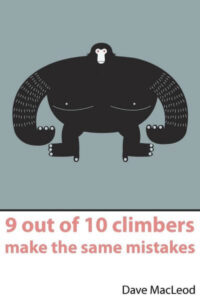
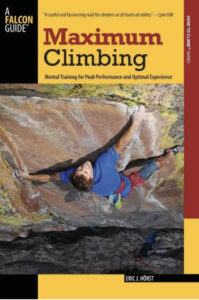
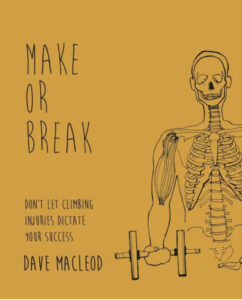
Note: This 10-week training plan was specifically developed for intermediate and advanced climbers who want to take their performance to the next level. Beginners can also benefit from it, but should first improve their climbing frequency and fundamental technique before starting a structured program of this intensity.
The Training Plan
The training plan is divided into four phases: endurance, strength, strength-endurance, and rest phase. Each phase focuses on specific demands of the climbing sport and is based on scientific insights to maximize effectiveness. The program combines proven methods from renowned training plans (see book recommendations) and is further supported by my years of personal experience in bouldering and climbing.
Before we begin the training program, it’s important to conduct a self-assessment. Only then can you determine your starting point and track your progress over the course of the program. Especially in the beginning, it is crucial to identify your weaknesses in order to work on them specifically. In the endurance phase, these insights help you refine technical aspects like foot placement and body positioning. In the strength phase, they allow you to better gauge which weights to start with and how to gradually increase intensity. This self-assessment enables you to tailor the training to your individual needs and achieve the best results. Make use of the downloadable Google Sheet, which helps you log your progress and track your training journey effectively.

endurance (Week 1–4)
Endurance training plays a vital role in recovery ability and climbing perseverance.² The goal of this phase is to increase aerobic capacity (and therefore minimize your oxygen consumption), which positively affects your ability to recover between moves and routes. This forms the foundation for the more intense phases that follow in the program. Remember: consistency is key – regular sessions and a focus on clean movement patterns will pay off in the long term. This part is also a good opportunity to work on your mental strength. For more on that, take a deeper look at the article Mental Training for Climbing Better.
| Duration | Exercise |
|---|---|
| 15 min |
Warm-up
A thorough warm-up is essential to prevent injuries and prepare the body for upcoming strain. Studies show that a dynamic warm-up improves muscle activation and increases flexibility.³ Especially in climbing, joints like wrists, ankles, and shoulders should be specifically mobilized. In the “Warm-up” tab of the Google Sheet, you’ll find detailed exercises to help you start well prepared.
|
| 20 min |
Submaximal Bouldering / Traversing
Studies show that repeated submaximal movements can improve aerobic capacity and local muscle endurance, both crucial for longer climbing sessions.⁴ Start with submaximal bouldering or traversing about 2–3 grades below your maximum level. The goal is to focus on continuous movement and clean technique, without reaching your performance limit.
|
| 40 min |
(Playful) Technique Exercises
Playful exercises are a great way to keep (or regain) the joy of climbing while simultaneously refining your technique. Through variability and by stepping away from the “performance pressure,” you learn more effectively.⁵ A list of technique exercises like “silent feet” is available in the provided Google Sheet. It’s important to also address the weaknesses identified in your self-assessment.
|
| 30 min |
Limit Bouldering
A boulder session without challenge? Unthinkable! After around 1.5 hours of submaximal training, it’s time to tackle harder projects: Choose 2–3 boulders that push your limits and concentrate on your technique and breathing. Remember: excessive performance pressure can impair your movement quality and increase injury risk.⁶ Try to apply the techniques you practiced earlier and accept failure as a part of the learning process.
|
| 30 min |
Antagonist, Core, and Stabilizer Training
A balanced training of the antagonists is indispensable for avoiding muscular imbalances, which often lead to posture-related injuries or overuse problems.⁷ Exercises for the shoulders and forearms help to counter the one-sided load of climbing. A strong core improves body control (especially in overhangs) and reduces energy loss during dynamic movements. Stabilizers, such as small muscles in the shoulders and wrists, protect the joints under load. Strengthening them reduces the risk of injury and enhances force transmission.⁸
|
| 15 min |
Stretching and Cool-down
A targeted cool-down with fascial release and follow-up stretching exercises supports recovery and can contribute to performance improvement.⁹ Focus areas should be forearms, shoulders, and core musculature, since they are particularly stressed during climbing. Please note: gentle stretching without too much intensity is sufficient to maintain range of motion and prepare your muscles for the next session.
|
Strength (Week 5–7)
After building your endurance to a new level, this phase is all about working specifically on your maximum strength. The focus is on short, powerful movements that are essential for confidently mastering difficult moves and dynamic sequences in climbing.
The strength phase is the core of the program and lays the foundation for improving your climbing performance. With careful planning and controlled intensity, you can minimize the risk of injury and maximize your progress. Make use of the opportunity to track your development regularly to steer your growth in a targeted way.
You’ll find a template for this in the Google Sheet.
| Duration | Exercise |
|---|---|
| 15 min |
Warm-up
Similar to the warm-up during the endurance phase, a thorough warm-up remains crucial during the strength phase—especially to avoid overload injuries to fingers and joints, which are under heavy stress. Studies show that targeted warm-up boosts blood flow, increases muscle elasticity, and reduces the risk of injury.10,11
|
| 15 min |
Wall Warm-up
This extended warm-up phase ensures that both muscles and finger structures are well prepared for the intense loads ahead. Start with easy boulders around 3 grades below your maximum level and gradually increase difficulty. Taking 2–3 minute breaks between problems helps reduce injury risk and optimizes your performance for the challenges ahead.
|
| 45 min |
Limit Bouldering
The goal of this phase is to improve maximum strength, a key component in bouldering. Each effort should ideally not exceed 12–15 seconds, as this time span is considered ideal for max strength development.12,13 After each attempt, allow for 2–3 minutes of rest to let the body recover properly.
Important: Avoid exhaustion, especially in the fingers. If it occurs, reduce the intensity in the next session. |
| 15 min |
Max Strength Exercises: Forearms
Training finger strength becomes indispensable from a certain climbing level onward. With isometric (static) finger training, you can effectively maximize grip strength.14 This can be practiced through exercises like Minimum Edge Hangs or Weighted Hangs. You’ll find details on determining the right weight and edge size in the Google Sheet.
|
| 15 min |
Max Strength Exercises: Pulling Muscles
The pulling musculature plays an essential role in climbing. The exercises in this unit should be individually adapted to your performance level. They can range from assisted pull-ups with resistance bands to demanding one-arm pull-ups. The sample plan in the Google Sheet considers various aspects, such as the importance of eccentric training (slow lowering in the negative phase). This method offers optimal support for strength development without compromising flexibility.15
|
| 15 min |
Antagonist, Core, and Stabilizer Training
As already mentioned in the endurance phase, core musculature is a critical factor, especially on overhangs. These exercises are ideal to include during breaks in max strength training to make training time more efficient.
|
| 15 min |
Stretching and Cool-down
Same as in the endurance weeks.
|
strength-endurance (Week 8–9)
The strength-endurance phase aims to train your musculature to work efficiently under load over a longer period of time. This is particularly relevant for sport climbers and those preparing for longer, more complex routes or bouldering problems. This phase helps you systematically improve fatigue resistance and muscular endurance.
Caution is advised: Long-term, one-sided strength-endurance training lasting several weeks or months can lead to performance plateaus or even regression. This is often due to the fact that such sustained loading is associated with a reduction in anaerobic capacity and explosive strength.16,17 To avoid this, the strength-endurance phase should be carefully planned and integrated into your training cycle for a limited time.
| Duration | Exercise |
|---|---|
| 15 min |
Warm-up
Similar to the warm-up during the endurance and strength phases.
|
| 45 min |
Interval Training
In this phase, you’ll train at 50% to 70% of your maximum strength to specifically improve local muscular endurance. Examples like 4×4 bouldering can be found in the Google Sheet. Training is done at moderately high intensity with short rest periods (2–3 minutes) to boost fatigue resistance in specific climbing movements. Use slightly larger holds to reduce finger load, and combine this with dynamic, powerful moves.
|
| 15 min |
Strength-Endurance Exercises: Forearms
The goal of these exercises is to specifically reduce the recovery time of your forearms and raise your anaerobic threshold. Longer loading periods combined with shortened rest times help your muscles perform efficiently under oxygen-limited conditions. Gradually increase the load and decrease the rest times over time, as described in the Google Sheet. Importantly: Avoid overload and stop immediately if you feel pain to prevent injuries.
|
| 15 min |
Strength-Endurance Exercises: Pulling Muscles
Anaerobic interval training prepares your pulling muscles for sustained effort. Through dynamic moves and controlled negative movements, you’ll improve both strength-endurance and fatigue resistance. Interestingly, these exercises also enhance your grip strength.18
|
| 15 min |
Antagonist, Core, and Stabilizer Training
Similar to the endurance and strength phases.
|
| 15 min |
Stretching and Cool-down
Similar to the endurance and strength phases.
|
Resting phase / “Tapering” (Week 10)
After intensive weeks of training, a targeted reduction in training load is essential to give your body the necessary recovery. Without a structured rest phase, you risk a performance plateau—or even decline.17 A well-planned tapering phase can, on the other hand, improve peak performance by an average of 3%.19 Depending on the sport, this phase usually lasts between one and three weeks: While endurance athletes benefit from longer recovery, one week is typically sufficient for boulderers and climbers. This carefully timed pause is key to aligning peak performance with optimal recovery.
The recovery phase detailed in the Google Sheet is designed to progressively (and non-linearly) reduce training volume by up to 60%, while maintaining intensity. This keeps your body primed for upcoming challenges without overload.19 A full rest is taken in the final 1–2 days.
Now you’re done! This phase is your launchpad for peak performance. Plan it wisely, give yourself the rest you need, and enter week 11 motivated!

Logs and Training Tracking
A wellthoughtout trainingprotocol is the key not only to making progress but also to maintaining it in the longterm. Without a clear structure, it can be difficult to identify weaknesses, introduce new stimuli, or objectively assess your progress. Studies show that regular documentation of trainingsessions leads to greater discipline and helps detect overtraining or plateaus at an early stage.
The Google Sheet that accompanies this program provides everything you need for efficient and structured training. It includes:
- a self-assessment to analyze your current performance level,
- example exercises for each phase (endurance, strength, strength-endurance),
- a description with a clear overview of the recovery phase, and
- a macrocycle to help you plan your training longterm.

Use this trainingplan to work specifically on your weaknesses, optimize your recoverytimes, and tailor your training to your individual goals. Download the Google Sheet and lay the foundation for measurable progress and maximum success!
Conclusion on the Training Plan
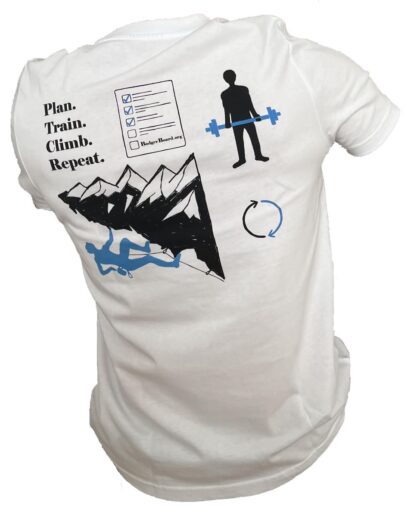
The 10-Week Training Plan “Plan. Train. Climb. Repeat.”
offers you a clear structure, scientifically grounded methods, and targeted training approaches to unlock your full potential as a climber or boulderer. Each phase – from endurance to strength, strength-endurance, and recovery – is designed to develop specific abilities and optimally prepare you for your challenges on the wall.
With this program, you receive not only a detailed plan, but also the tools to document your progress and secure longterm success. The combination of intensive planning, effective exercises, and regular selfmonitoring ensures that you can reach your peak performance in week 11.
Are you ready to reach new heights and push your limits? Start now with “Plan. Train. Climb. Repeat.” and become the best version of yourself – grip by grip, move by move!
References
- Gelman, Ram, Marc Berg, and Yaron Ilan. ‘A Subject-Tailored Variability-Based Platform for Overcoming the Plateau Effect in Sports Training: A Narrative Review’. International Journal of Environmental Research and Public Health 19, no. 3 (2 February 2022): 1722. https://doi.org/10.3390/ijerph19031722.
- Sheel, A W. ‘Physiology of Sport Rock Climbing’. British Journal of Sports Medicine 38, no. 3 (June 2004): 355–59. https://doi.org/10.1136/bjsm.2003.008169.
- Behm, David G., and Anis Chaouachi. ‘A Review of the Acute Effects of Static and Dynamic Stretching on Performance’. European Journal of Applied Physiology 111, no. 11 (November 2011): 2633–51. https://doi.org/10.1007/s00421-011-1879-2.
- Myers, Christopher. ‘Muscle Oxygenation Applications to Endurance Training’. Anatomy & Physiology: Open Access Journal 1, no. 1 (2020).
- Davids, Keith, Chris Button, and Simon Bennett. Dynamics of Skill Acquisition: A Constraints-Led Approach. Dynamics of Skill Acquisition: A Constraints-Led Approach. Champaign, IL, US: Human Kinetics, 2008.
- Martindale, Russell J., Dave Collins, and Jim Daubney. ‘Talent Development: A Guide for Practice and Research Within Sport’. Quest 57, no. 4 (November 2005): 353–75. https://doi.org/10.1080/00336297.2005.10491862.
- Page, Phil. ‘Shoulder Muscle Imbalance and Subacromial Impingement Syndrome in Overhead Athletes’. The International Journal of Sports Physical Therapy 6, no. 1 (2011): 51–58.
- Belli, Italo, Sagar Joshi, J. Micah Prendergast, Irene Beck, Cosimo Della Santina, Luka Peternel, and Ajay Seth. ‘Does Enforcing Glenohumeral Joint Stability Matter? A New Rapid Muscle Redundancy Solver Highlights the Importance of Non-Superficial Shoulder Muscles’. Edited by Aliah Faisal Shaheen. PLOS ONE 18, no. 11 (30 November 2023): e0295003. https://doi.org/10.1371/journal.pone.0295003.
- Konrad, Andreas, Masatoshi Nakamura, Daniel Bernsteiner, and Markus Tilp Tilp. ‘The Accumulated Effects of Foam Rolling Combined with Stretching on Range of Motion and Physical Performance: A Systematic Review and Meta-Analysis’. Journal of Sports Science and Medicine, 1 July 2021, 535–45. https://doi.org/10.52082/jssm.2021.535.
- Giles, Luisa V., Edward C. Rhodes, and Jack E. Taunton. ‘The Physiology of Rock Climbing’. Sports Medicine 36, no. 6 (1 June 2006): 529–45. https://doi.org/10.2165/00007256-200636060-00006.
- Fradkin, Andrea J., Tsharni R. Zazryn, and James M. Smoliga. ‘Effects of Warming-up on Physical Performance: A Systematic Review With Meta-Analysis’. The Journal of Strength & Conditioning Research 24, no. 1 (January 2010): 140. https://doi.org/10.1519/JSC.0b013e3181c643a0.
- HÖRST, Eric J. Training for climbing: the definitive guide to improving your climbing performance. Globe Pequot, 2003.
- Güllich, Arne, and Dietmar Sehmidtbleicher. ‘MVC-Induced Short-Term Potentiation of Explosive Force’. Ncw Studies in Athletics, no. 4 (1996): 67–80.
- Baláš, Jiří, Jonáš MrskoČ, Michaela PanáČková, and Nick Draper. ‘Sport-Specific Finger Flexor Strength Assessment Using Electronic Scales in Sport Climbers’. Sports Technology 7, no. 3–4 (2 October 2014): 151–58. https://doi.org/10.1080/19346182.2015.1012082.
- Vigouroux, Laurent, and Marine Devise. ‘Pull-Up Performance Is Affected Differently by the Muscle Contraction Regimens Practiced during Training among Climbers’. Bioengineering 11, no. 1 (January 2024): 85. https://doi.org/10.3390/bioengineering11010085.
- Enoka, Roger M. Neuromechanics of Human Movement. Human Kinetics, 2008.
- Bosquet, Laurent, Jonathan Montpetit, Denis Arvisais, and Iñigo Mujika. ‘Effects of Tapering on Performance: A Meta-Analysis’. Medicine & Science in Sports & Exercise 39, no. 8 (August 2007): 1358–65. https://doi.org/10.1249/mss.0b013e31806010e0.
- Shih, Wen-Lung, Ming-Lang Yeh, Ming-Hsi Chuang, and Cheng-En Wu. ‘Dynamic Analysis of Upper- and Lower-Extremity Performance During Take-Offs and Landings in High-Wall Climbing: Effects of a Plyometric and Strength Training Intervention’. Applied Sciences 14, no. 22 (January 2024): 10137. https://doi.org/10.3390/app142210137.
- Mujika, Inigo, and Sabino Padilla. ‘Scientific Bases for Precompetition Tapering Strategies’: Medicine & Science in Sports & Exercise 35, no. 7 (July 2003): 1182–87. https://doi.org/10.1249/01.MSS.0000074448.73931.11.
My name is Vincent and I want to share my climbing & general outdoor experience with you. If you have any comments or questions do not hesitate to contact me!